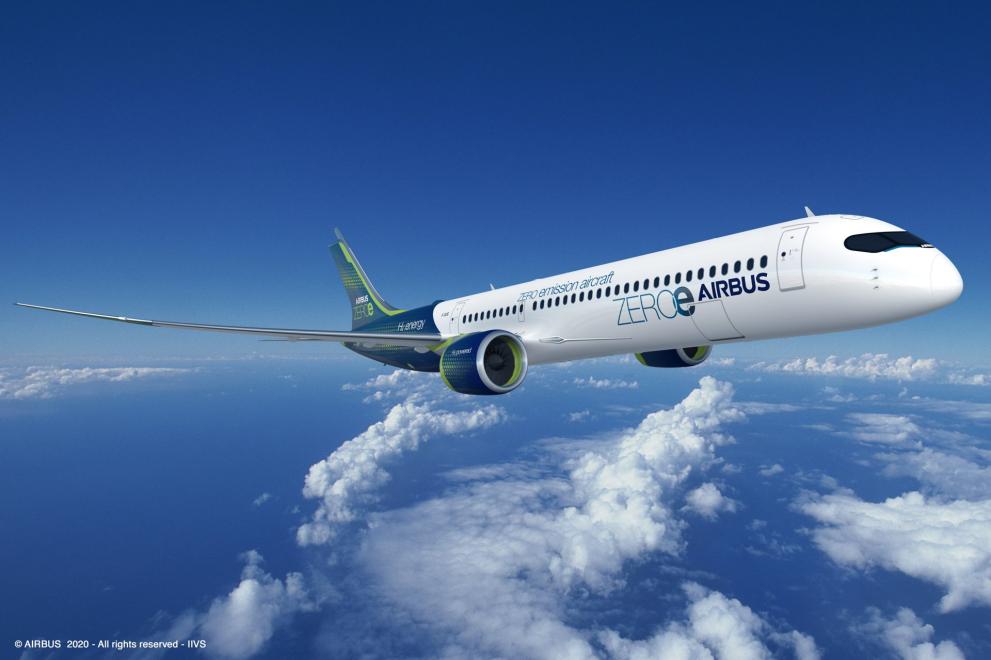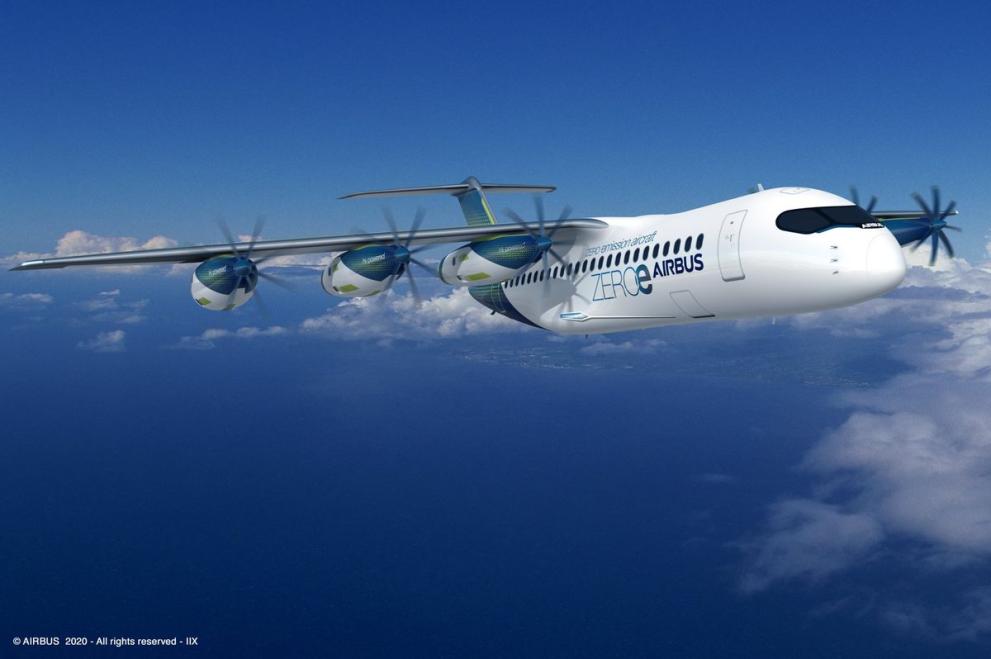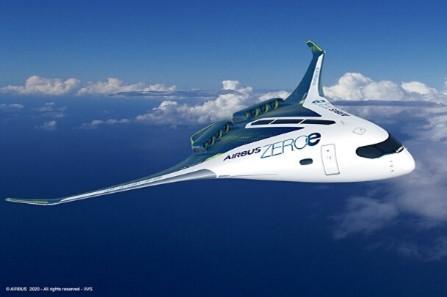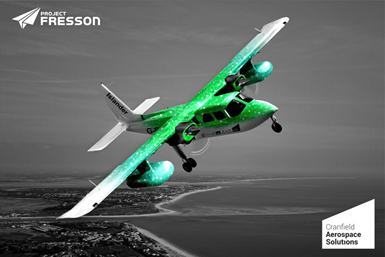
Quick navigation SelectChoose sub-section Electric Aircrafts An electric aircraft is powered by electricity, typically using one or more electric motors driving propellers. The electricity can be supplied by various means, the most common being onboard batteries. In recent years, the number of new electric aircraft types – including many experimental and prototype projects – has grown steadily. Most of these models are still in prototype or demonstration stages and not yet in commercial production, but development continues toward viable products.Certification and production: As of 2024, there is still only one fully type-certified electric aircraft: the Pipistrel Velis Electro from Slovenia (Pipistrel was acquired by U.S. company Textron in 2022). The Velis Electro is a two-seat trainer aircraft that achieved European Union Aviation Safety Agency (EASA) certification in 2020. Over 100 units have been produced, and it is now in service with flight schools and operators in more than 30 countries worldwide . In fact, the 100th Velis Electro was delivered in early 2024 to a customer in France, marking a significant milestone for electric aviation . This remains the only electric aircraft with an EASA type certificate so far, though others are in the pipeline. Worldwide shipments of certified electric aircraft (quarterly): Q3 2020Q4 2020Q1 2021Q2 2021Q3 2021Q4 2021Q1 2022Q2 2022Q3 2022Q4 2022Q1 2023Q2 2023Q3 2023Q4 2023Q1 2024Q2 2024Q3 2024Q4 2024Pipistrel Velis Electro581486204616144720410Total581486204616144720410Source: GAMA Quarterly Shipments and Billings (General Aviation Manufacturers Association) . Note: The Pipistrel Velis Electro is currently the only certified electric aircraft contributing to these shipment figures, hence the total equals the Velis Electro shipments each quarter. The production ramp-up in late 2023 and Q4 2024 reflects growing demand for electric trainers.Apart from the Velis Electro, numerous other electric aircraft projects are under development in Europe. Notably, Diamond Aircraft (Austria) conducted the maiden flight of its all-electric eDA40 trainer in July 2023, aiming to make it the first EASA/FAA Part 23 certified electric airplane after the Velis . The eDA40 is a derivative of the popular DA40 light aircraft, equipped with an electric motor by Safran and a fast-charging battery system . This aircraft is expected to offer around 60–90 minutes of training flight endurance and is on track for certification in the mid-2020s. Another example is Germany’s Elektra Trainer, a two-seat electric ultralight which had its first flight in 2022 and achieved certification under the German ultralight category in January 2023 . This aircraft demonstrated impressive performance, including high climb rates and over 2 hours of endurance, showing the potential for electric power in pilot training .Several European startups and manufacturers are pursuing larger electric or hybrid-electric aircraft for regional travel. Sweden’s Heart Aerospace is developing the ES-30 hybrid-electric 30-seat regional airplane, unveiled in 2022, which will use battery power for short 200 km trips and a fuel turbine generator for extended range up to 400–800 km . France’s VoltAero is flight-testing the Cassio series of hybrid-electric aircraft, starting with a 4-5 seat model and scaling up to 10-12 seats; the Cassio 330 testbed has logged hundreds of flight hours as of 2025 . Another French company, Aura Aero, is working on a 19-seat hybrid-electric regional aircraft (project “ERA”), aiming for entry into service before 2030. These initiatives, along with others in Europe, are supported by EU research programs and industry investments focusing on sustainable aviation.In the realm of small aircraft, many new electric models are propeller-driven. In fact, more than half of all electric aircraft designs use conventional propeller propulsion (including variants like motor-gliders), with smaller numbers using other configurations such as rotorcraft (helicopter-like), ducted fan jets, or personal vertical take-off vehicles . The vast majority of projects are battery-electric (purely powered by onboard batteries), though there are a few experimental aircraft using solar panels or hybrid systems (combining battery with a fuel engine) . In terms of innovation hubs, several European countries lead in electric aircraft development – notably Germany, France, and Slovenia within the EU, with Switzerland also hosting multiple experimental projects . This reflects a strong European presence in electric aviation, from light trainers up to emerging commuter aircraft concepts. Hydrogen Aircrafts A hydrogen-powered aircraft uses hydrogen fuel as its energy source for propulsion. This can be implemented in two main ways: either by burning hydrogen in a modified internal combustion engine or turbine (much like a jet engine burning jet fuel, but with hydrogen), or by using hydrogen in a fuel cell system to generate electricity that then powers electric motors (essentially making it a hydrogen-electric aircraft). In both cases, the attraction of hydrogen is that it can enable zero carbon emissions in flight – the exhaust from a hydrogen fuel cell is just water vapor, and burning hydrogen produces water with no CO₂ (though high-temperature combustion can produce some NOx).Hydrogen presents unique design challenges for aircraft. Unlike conventional jet fuel, hydrogen (especially in liquid form) requires bulky, insulated tanks. Instead of storing fuel in the wings like traditional planes, hydrogen aircraft typically need the fuel tanks in the fuselage or integrated into a wide body, due to hydrogen’s lower density . Liquid hydrogen (LH₂) must be kept at cryogenic temperatures (~ -253 °C) and is favored for aviation because it has much higher energy density by weight than compressed gas. Several conceptual designs have been proposed to optimally store and utilize hydrogen in aircraft – for example, designs with twin hydrogen turbofan engines and the tanks stored near the rear of the fuselage, or a blended-wing body design with roomy internal spaces for tanks .Airbus ZEROe program: Europe’s aerospace industry, led by Airbus, has made hydrogen a cornerstone of future aircraft plans. In 2020, Airbus unveiled its “ZEROe” initiative with three concept aircraft configurations (a turbofan airliner, a turboprop, and a blended-wing body) all powered by hydrogen fuel, targeting entry into service by 2035. Since then, the program has evolved – by 2025 Airbus decided to prioritize a hydrogen fuel-cell propulsion demonstrator as an intermediate step, citing the need for further maturing of battery technology for other projects . Airbus is now focusing on developing a ground demonstrator called the “Liquid Hydrogen Breadboard” to test a multi-megawatt hydrogen fuel cell powertrain, with ground testing slated to begin in 2027 . In parallel, Airbus (in partnership with engine manufacturer CFM) is preparing a flight-test of a hydrogen combustion engine on an A380 testbed aircraft around the middle of this decade. The continued investment by Airbus underscores a vision of a future zero-emission airliner: roughly 100–150 passenger capacity, 1000–1500 nautical mile range, powered entirely by liquid hydrogen either through fuel cells or hydrogen-burning turbines . These future hydrogen airliners would eliminate CO₂ emissions and significantly reduce or eliminate other emissions (fuel cells produce no NOx), fundamentally changing aviation’s environmental footprint.Demonstration projects and prototypes: In the 2020s, Europe has seen a number of important milestones demonstrating hydrogen propulsion on smaller scales:ZeroAvia: A UK/US-based company, ZeroAvia has been a leader in hydrogen-electric powertrain testing. In January 2023, ZeroAvia made aviation history by flying a 19-seat Dornier 228 test aircraft with one of its two engines replaced by a hydrogen fuel cell powertrain . This 10-minute flight in Gloucestershire, UK was the largest hydrogen-powered aircraft flight at that time, as part of the UK’s HyFlyer II project. ZeroAvia’s prototype used a 600 kW electric motor powered by hydrogen fuel cells (with hydrogen stored on board) for one side, while the other engine remained a conventional turboprop for safety. Following this success, ZeroAvia has been working toward certifying its ZA600 powertrain (around 600 kW) for 9–19 seat aircraft, with a target of commercial entry around 2025 . The company has attracted partnerships or investments from major airlines (British Airways, United Airlines) and plans future larger systems (up to 2–5 MW) for regional turboprops. ZeroAvia’s ultimate vision is hydrogen-electric propulsion for regional flights of 500 km or more with zero emissions. As of 2023, they have also flown smaller 6-seat test aircraft and begun integrating hydrogen powertrains into 19-seat airframes for longer test flights.H2FLY (Germany): H2FLY, a startup spun off from the German Aerospace Center (DLR), achieved a world-first in 2023 by completing the first piloted flights powered by liquid hydrogen. In a test campaign based in Stuttgart and Maribor, their four-seat HY4 demonstrator aircraft (which uses a hydrogen fuel cell-electric propulsion system) was outfitted with a cryogenic liquid hydrogen tank. The H2FLY team conducted four flights in September 2023 on liquid hydrogen, including one flight of over three hours duration . This demonstrated an impressive potential range – using liquid hydrogen effectively doubled the HY4’s range from about 750 km to roughly 1,500 km compared to gaseous hydrogen . These flights marked a watershed moment for hydrogen aviation, proving that sustained, long-endurance zero-emission flight is feasible with the right technology. H2FLY’s achievement, part of a EU-supported project called HEAVEN, set new records and provided valuable data on using cryogenic fuel in the air . Moving forward, H2FLY (which was acquired by Joby Aviation in 2021) is focusing on scaling up its hydrogen fuel cell systems to higher power levels and opening a Hydrogen Aviation Center in 2024 to advance this technology . The success of H2FLY’s liquid hydrogen flights is a major stepping stone toward future regional hydrogen-electric aircraft.Project Fresson (UK): Project Fresson is an initiative to retrofit a Britten-Norman Islander (a small twin-engine utility aircraft) with hydrogen fuel cell propulsion. Originally, this project aimed for hybrid-electric, but in 2021–2022 it pivoted to a fully hydrogen fuel cell system as the primary power source. The switch to hydrogen was motivated by greater range and operational cost advantages. The team reported that a hydrogen fuel cell Islander could save £150k–300k in annual operating costs versus conventional engines, and cut maintenance costs by up to 50% on the powertrain . Project Fresson is significant as it targets one of the first practical commercial uses of hydrogen in a workhorse aircraft for regional routes (like Scottish islands hops). As of the latest updates, Project Fresson has been making technical progress and aims to conduct test flights in the mid-2020s. This demonstrates how even legacy aircraft can be converted to zero-emission propulsion, extending the life of existing airframes in an eco-friendly way.Rolls-Royce/EasyJet ground tests: In November 2022, Rolls-Royce together with EasyJet announced a world-first run of a modern aero engine on hydrogen fuel . They successfully ran a converted Rolls-Royce AE 2100-A turboprop engine using hydrogen, proving that hydrogen combustion can work in principle in a turbine designed for aviation. This ground test, using green hydrogen fuel, was a major milestone toward validating hydrogen as a zero-carbon fuel for future large aircraft. Following that, Rolls-Royce has continued hydrogen combustion research, including plans to test a larger Pearl 15 jet engine with liquid hydrogen. These efforts, supported by the UK government, aim to enable hydrogen-fueled engines for new generations of aircraft. While hydrogen combustion in turbines does produce some by-products like NOx, it eliminates CO₂ emissions and could be a bridge solution especially for larger aircraft where fuel cells might not scale well initially. The Rolls-Royce tests show that traditional engine makers are actively exploring hydrogen as a drop-in solution for powering medium to long-range aircraft.In addition to these, there are multiple EU-funded programs under the Clean Aviation initiative focusing on hydrogen. Projects are underway to develop and ground-test hydrogen-fueled engine components (e.g. the HYDEA project for a hydrogen combustion demonstrator by 2026 ) and to design MW-scale fuel cell systems for future regional aircraft (e.g. project NEWBORN aiming to demonstrate a megawatt-class fuel cell by 2025 ). The European Clean Aviation roadmap calls for a hybrid-hydrogen regional aircraft demonstrator (around 50 seats) by 2028–2030, likely using a modified ATR-72 turboprop with one engine converted to hybrid-electric hydrogen operation . These research efforts complement industry work by providing technological building blocks (like lightweight LH₂ tanks, fuel cell stacks, and hydrogen combustion chambers) that will enable the next generation of hydrogen aircraft.It’s important to note that hydrogen aviation is still in its infancy. The current achievements have mostly been in small aircraft and demonstrators. Challenges such as hydrogen storage, infrastructure for refueling, and ensuring safety standards are being actively addressed. The consensus in the industry is that hydrogen will first see use in smaller regional aircraft and freighters, and potentially in eVTOL or UAV applications, before it scales up to single-aisle airliners by the 2030s. Airbus’s goal of a 2035 hydrogen airliner is ambitious but is driving significant innovation . If realized, a hydrogen-powered 100-seat passenger plane would revolutionize air travel by eliminating carbon emissions on short-haul flights. In the interim, we expect to see niche operations – for instance, hydrogen fuel cell retrofits flying on short regional routes (as planned in Scotland, Slovenia, California and elsewhere) – proving the technology in commercial service within the next 2-3 years. eVTOL and Air Taxis Electric propulsion has also enabled a new class of aircraft: eVTOL (electric Vertical Take-Off and Landing) vehicles, commonly envisioned as urban air taxis. These are typically multi-rotor or tilt-rotor aircraft designed to carry a few passengers on short hops, using electric motors for quiet, zero-emission flight in cities. Europe has been at the forefront of many eVTOL developments, although as of 2025 no eVTOL has yet been certified for commercial service. Several high-profile European ventures are in advanced testing:Volocopter (Germany): Volocopter has developed a series of multicopter air taxis (notably the two-seat VoloCity with 18 rotors). The company conducted crewed demonstration flights in 2023, including a test flight in the Paris region as part of preparations for the 2024 Olympic Games . Volocopter initially targeted EASA type certification by 2024 to begin limited operations in Paris and other cities. However, the company faced financial challenges – it filed for insolvency in late 2024, halting its original timeline . In early 2025, Volocopter was acquired by Austria’s Diamond Aircraft (owned by China’s Wanfeng Group) in a rescue deal, allowing development to continue under new ownership . The refocused plan is to prioritize a four-seat eVTOL called VoloRegion (with a fixed-wing and lift+cruise design for longer range up to ~100 km), aiming for certification around 2026, followed by the entry of the smaller VoloCity air taxi thereafter.Lilium (Germany): Lilium was developing a pioneering seven-seat eVTOL jet (the Lilium Jet) with ducted-fan engines, which promised inter-city ranges over 200 km. The company achieved significant milestones like full-scale prototype flights and began fuselage assembly for certification test aircraft, expecting EASA type certification by 2025 . It secured orders and was pursuing dual certification with FAA, targeting commercial launch in 2026 . Unfortunately, Lilium encountered severe funding shortfalls; in October 2024 it entered insolvency proceedings after a major investment deal fell through . By the end of 2024, Lilium effectively ceased operations (“Lilium is no more” as one industry update noted) . Some of Lilium’s technology and patents have since been picked up by other companies in the sector . Lilium’s rise and fall underscore both the technical promise and business challenges of the urban air mobility sector.Vertical Aerospace (UK): Vertical is developing the VX4 eVTOL, a four-passenger winged vehicle with tilt-propellers. It conducted its first tethered hover tests in 2022 and is progressing with an intensive test campaign. Vertical Aerospace has garnered airline partnerships and pre-orders (including from European airlines) for its VX4. The company aims for certification around 2025–2026. While not immune to funding challenges, Vertical managed to secure new investments in late 2024 to continue development . In 2025, Vertical prepared a final prototype for flight testing and received a permit to fly from the UK CAA for test flights . The VX4’s program is one of the leading eVTOL efforts in Europe, with hopes to launch air taxi services in the latter half of the decade.Airbus and others: Airbus had entered the eVTOL arena with its CityAirbus NextGen, a 4-seat demonstrator. However, by January 2025 Airbus decided to halt the program, concluding that battery energy density was not improving fast enough to meet the practical requirements of urban air mobility on their timeframe . This marked a strategic pivot; Airbus shifted focus back to its core ZEROe hydrogen aircraft initiative (described below) rather than near-term eVTOL. Despite this, other smaller European companies continue to innovate. For example, Austria’s CycloTech has tested a unique eVTOL using cyclorotor technology for lift (achieving a maiden flight of a 6-cyclorotor test vehicle in 2025) . Additionally, several European cities and regulators have been preparing for air taxi services – France’s aviation authorities facilitated the Paris eVTOL trials for the Olympics, and European regulators (EASA) have developed a special condition framework for VTOL certification to enable safe introduction of air taxi operations in the coming years.Notably, some non-European eVTOL developers have also performed demonstrations in Europe. EHang, a Chinese company, has a two-seat autonomous eVTOL (EH216) that received type certification in China in 2023. EHang conducted demo flights in Europe (for instance, trial flights in Spain in 2023) to showcase point-to-point air taxi routes . These flights are helping familiarize European regulators and the public with the concept of unmanned air taxis. EHang’s progress also highlights that regulatory approval of eVTOL is achievable – EHang’s model became the world’s first type-certified passenger eVTOL (under Chinese CAAC rules) and has been giving pilotless demonstration rides . Europe’s first commercial eVTOL operations are expected to begin once aircraft like the Volocopter or Vertical VX4 complete certification, likely around 2025–2026. Early use cases will include airport shuttle services, sightseeing flights, and special events, gradually scaling up to true on-demand air taxi networks as the technology matures and public acceptance grows.Overall, the Urban Air Mobility sector in Europe is in an exciting but turbulent developmental phase. While engineering milestones (like test flights and certification basis approvals) have been achieved by multiple projects , the industry has also seen consolidation and delays due to the high costs and novel challenges involved. The coming years will be critical for eVTOL initiatives to overcome these hurdles, prove safety and reliability, and finally bring battery-electric air taxis into everyday service across European cities.