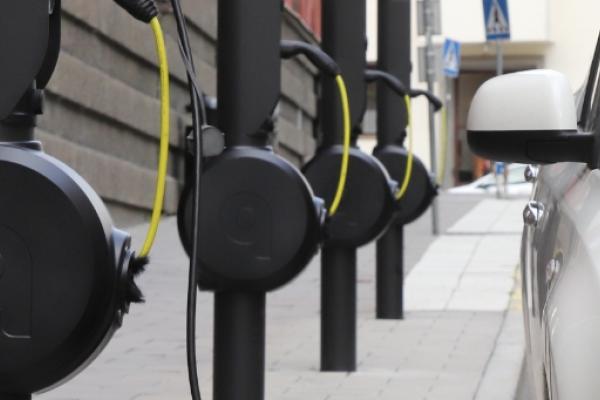

Sweden’s new car market showed continued strength in April 2025, with 24,292 passenger cars registered, marking a 10.5% increase compared to April 2024. Battery electric vehicles (BEVs) and plug-in hybrids (PHEVs) together reached a 63.3% share of the market, underlining the country’s ongoing transition to zero-emission mobility.
Strong Gains for BEVs and PHEVs
- BEVs: 8,555 registrations, 35.2% market share, +25.8% YoY
- PHEVs: 6,829 registrations, 28.1% share, +18.6% YoY
- Rechargeable vehicles combined: 63.3% share of new passenger cars
Year-to-date (January–April), the share of rechargeable cars stands at 59.5%, up from 55.2% in the same period of 2024. The growth is driven both by expanding company fleets and increased model availability, especially in the plug-in hybrid segment, which benefits from longer electric range and lower upfront costs compared to BEVs.
According to Mobility Sweden, nearly two-thirds of all new passenger cars and 70% of BEVs were registered by corporate customers in April, reaffirming the private sector’s leading role in driving electrification.
Light Trucks Continue to Struggle
In contrast, the light commercial vehicle (LCV) segment remains under significant pressure:
- LCV registrations: 2,511 units, -33.5% YoY
- Electric LCVs: 22.9% share, but volume declined -22.1%
This marks the twelfth consecutive month of decline for light trucks, heavily influenced by weakness in the construction sector. The market downturn highlights the importance of continued support for electric vans, as the phasing out of incentives could further stall progress in this critical sector.
Heavy Trucks and Buses
- Heavy trucks (>16 tons): 472 units, -8.2% YoY, with 6% electric
- Buses: 139 units, +139.7% YoY, with 42.4% electric
While heavy trucks are seeing a slowdown, electric models are gradually gaining ground. The public transport sector, on the other hand, showed strong momentum in April. Electric buses accounted for nearly half of all new bus registrations, supported by procurement cycles and growing fleet electrification.
Outlook and Challenges
Despite healthy growth in EV registrations, BEV market share is plateauing, and the absence of direct incentives since late 2022 continues to impact private uptake. As CEO Mattias Bergman of Mobility Sweden notes:
“Plug-in hybrids are gaining traction due to improved range, lower prices, and the absence of strong policy support for BEVs. To accelerate the shift, especially in the heavy vehicle segment, demand-side incentives targeting transport buyers are critical.”
The Swedish BEV market continues to evolve, with newcomers like the Volkswagen ID.7 and Volvo EX30 making a strong impact, and affordable models such as the Renault 5 beginning to enter the market. Nevertheless, more targeted policy support—particularly for private consumers and light commercial operators—will be needed to maintain Sweden’s pace toward its climate targets.
Source:
- Mobility Sweden
Views and opinions expressed are those of the author(s) and do not reflect those of the European Commission.